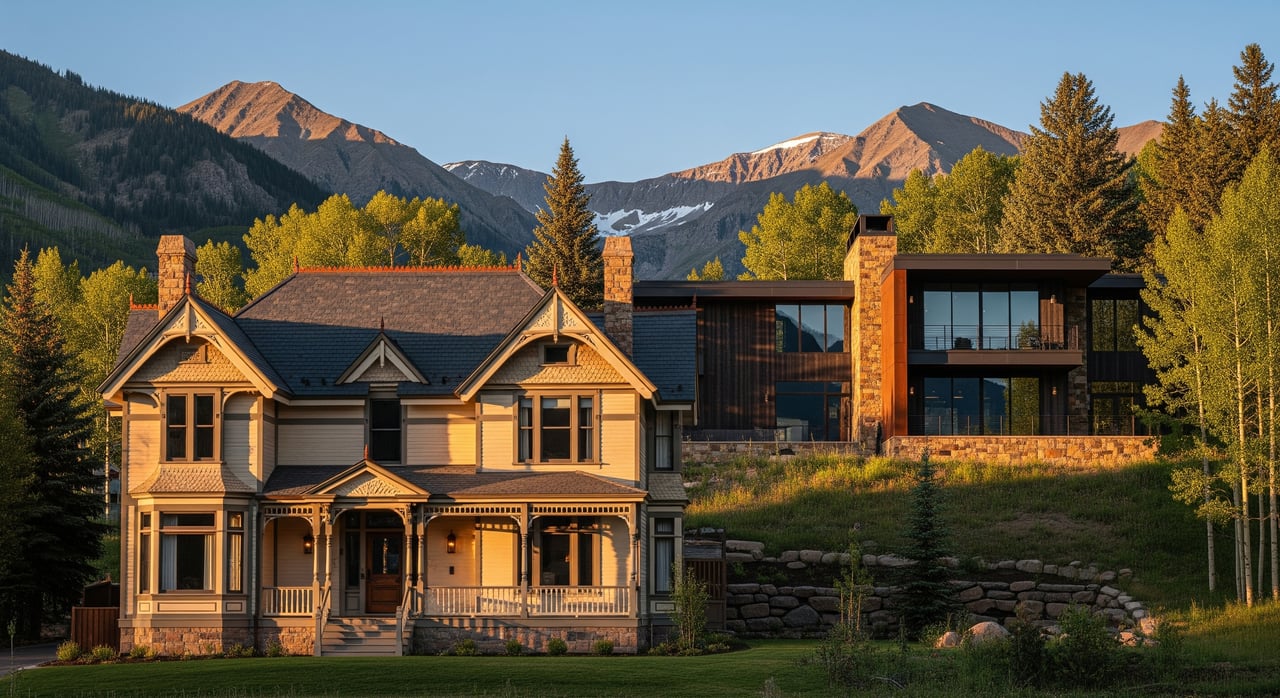
Love the charm of Telluride’s painted Victorians but drawn to the glass-and-steel drama of mountain modern design? You are not alone. In 81435, architecture is part of the lifestyle, and each style carries its own look, renovation path, and resale story. In this guide, you will learn how to spot Telluride’s signature home styles, what upgrades to expect, and how each plays in today’s market. Let’s dive in.
Why style matters in 81435
Telluride’s historic core took shape during the late-19th-century mining boom. The narrow valley, steep topography, and high elevation shape how homes look and perform. Roof pitch, materials, snow storage, and vehicle access are design priorities here.
If you are considering exterior changes in the historic core, expect design review and preservation rules through the Town Planning Department. Many rehab projects follow the Secretary of the Interior’s Standards for Rehabilitation as best practice. Across San Miguel County, high-elevation building codes, snow-load engineering, and wildfire-wise detailing are part of responsible ownership.
Victorian homes: character and care
Hallmark features in Telluride
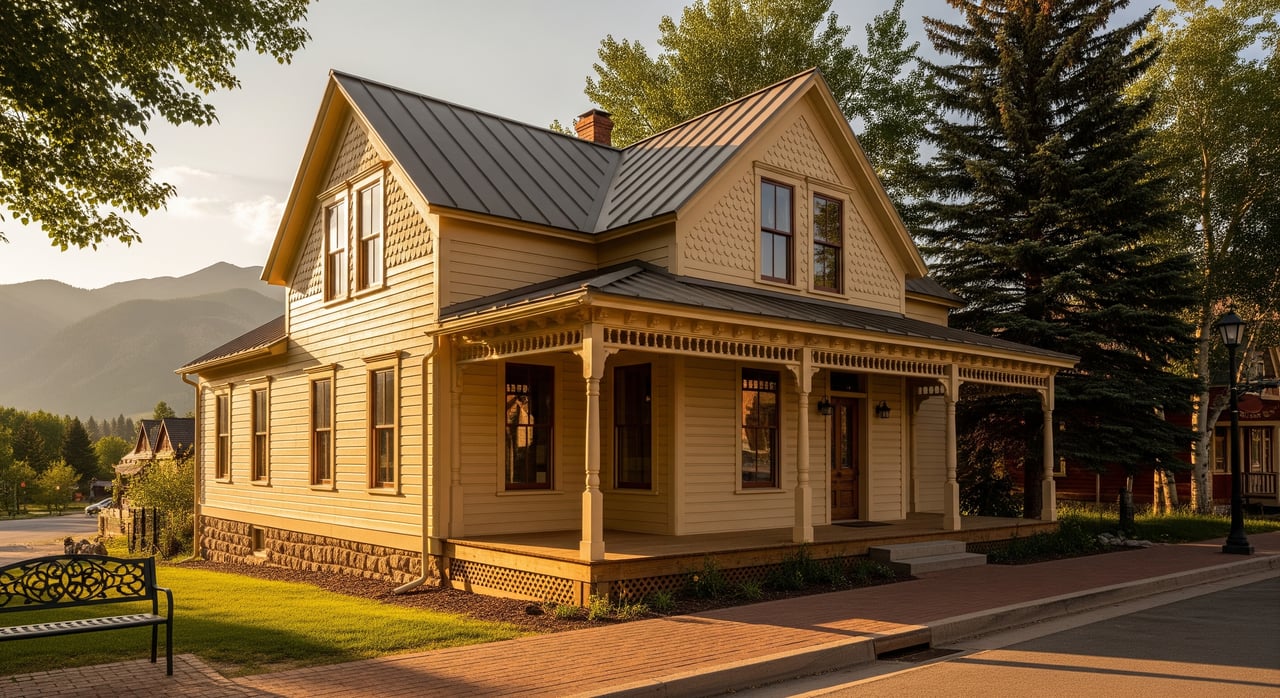
You can spot a Telluride Victorian by its narrow, vertical front façade, steep gable roof, and decorative trim. Many include bay windows, porches or stoops, and wood siding like clapboard or shiplap. Interiors often have defined rooms such as parlors and dining rooms, sometimes with tall ceilings, and many sit close to the street for walkable access to downtown.
Renovation scope to expect
Historic homes may show foundation settling or moisture at older stone or masonry footings. Expect to evaluate wood siding for rot, upgrade outdated electrical and plumbing, and plan for insulation and air sealing. Window work should balance comfort with historic character. In designated areas, exterior changes often need approvals, compatible materials, and detailed trim replication. Costs rise when preserving original fabric with custom millwork and period-appropriate windows.
What buyers value and why
Buyers love the authenticity, walkability, and sense of place. A restored Victorian with modern systems, an open kitchen, and updated baths often commands a premium. Character elements such as original trim and fireplaces add emotional appeal when paired with comfort and efficiency.
Mountain rustic and ski-era vernacular
How to spot them
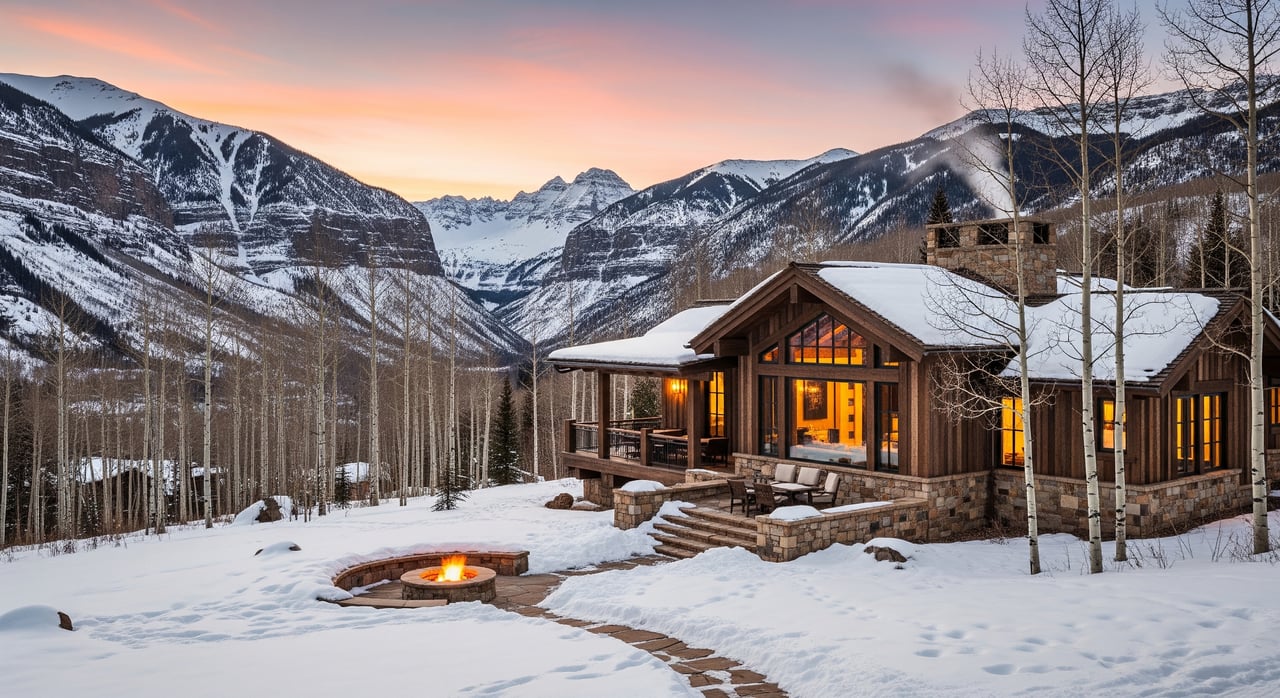
Ski-era homes lean into natural materials and lodge sensibilities. Think exposed logs or heavy timbers, rough-cut stone, and broad gables with deep eaves to manage snow. Interiors often include exposed beams, plank walls, stone fireplaces, and relaxed floor plans with practical mudroom or boot areas.
Renovation focus areas
Many of these homes were built for seasonal use or to simpler standards. Upgrades often center on thermal performance: improved insulation, better windows, and roof detailing where snow meets walls. Kitchens and baths benefit from fresh finishes while preserving the timber-and-stone aesthetic. If you want wider openings or a more open plan, budget for structural reinforcement.
Buyer appeal today
These homes deliver the mountain vibe many buyers seek. Marketability improves with durable, modern kitchens, functional mudrooms, and better energy performance. Proximity to trails or the gondola remains a strong value cue.
Contemporary alpine and mountain modern
Defining design cues
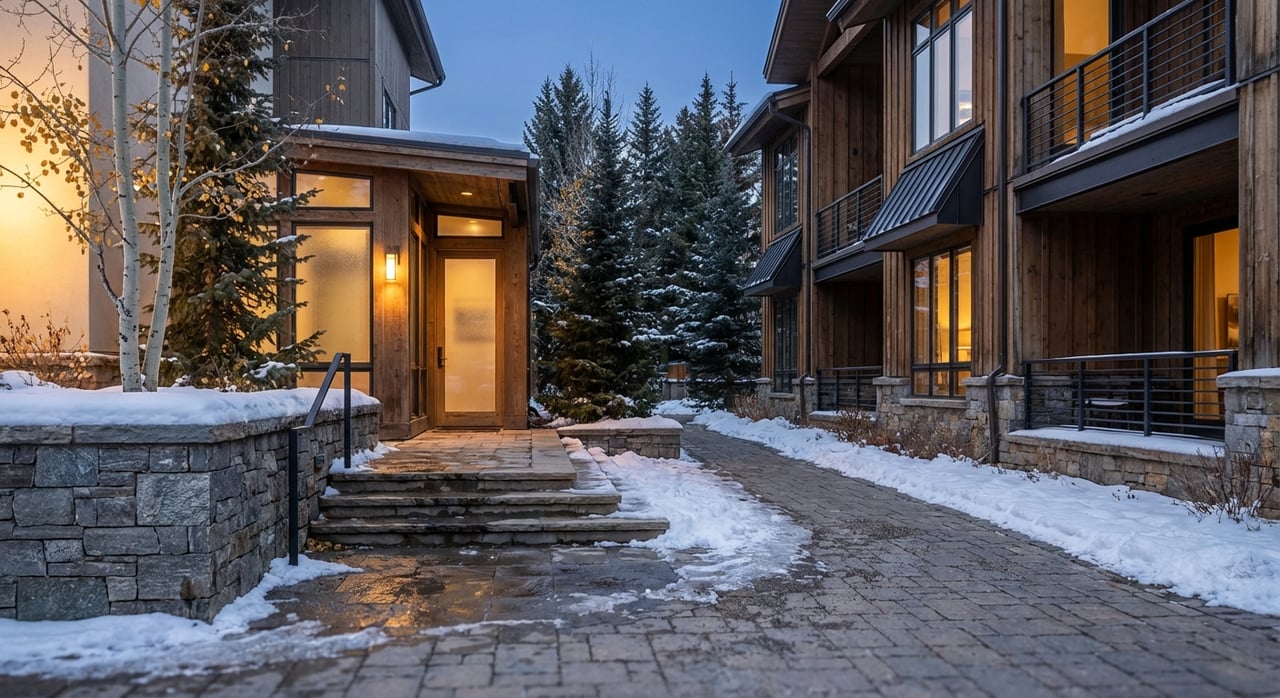
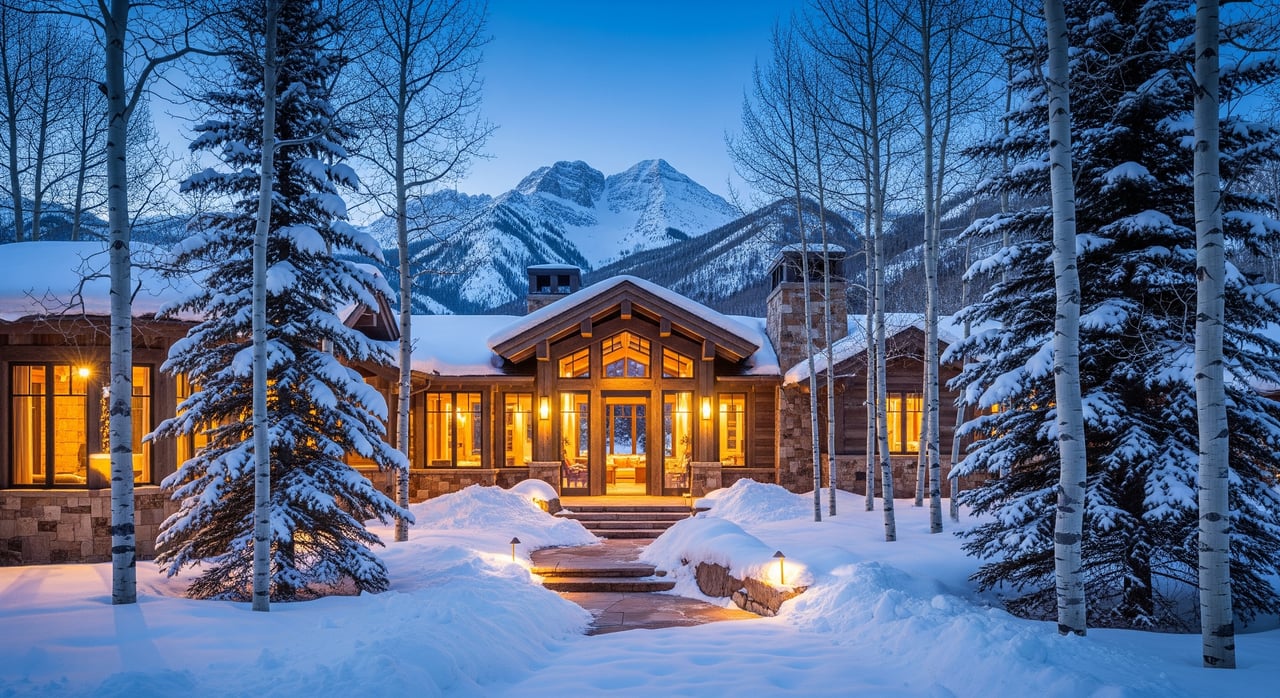
Mountain modern homes emphasize clean lines, big glass to frame the peaks, and open interiors that flow to decks and terraces. Exteriors mix stone and wood with metal and glass for contrast. Roofs combine flat or low-slope sections with pitched snow-shedding planes as needed, and detailing focuses on ice and snow management.
Build and upgrade realities
Expect high-performance envelopes with advanced insulation, air sealing, and mechanical ventilation. Double or triple glazing is common. Durable cladding, standing-seam metal roofs, and engineered assemblies support mountain conditions. Solar and heat pumps may be integrated, though valley shading can limit solar yield in some locations.
What drives premiums
Buyers pay for views, light, and seamless indoor-outdoor living. Premiums track with finish quality, unobstructed outlooks, proximity to ski access or the gondola, and overall comfort and energy performance.
Renovation and building realities in the box canyon
Site and structure considerations
Steep lots can increase costs for excavation, retaining walls, and engineered foundations. Narrow roads and seasonal access impact logistics. Roofs must manage significant snow loads and drift. Plan for safe snow shedding or retention, and allow for snow storage in circulation areas and driveways.
Climate and energy at altitude
High elevation affects combustion appliances and HVAC performance, making proper system design important. Insulation and high-performance windows deliver real comfort gains in this climate. Airtight homes need mechanical ventilation for healthy indoor air, often with heat or energy recovery.
Wildfire-wise design
Many properties sit within Wildland-Urban Interface zones. Ignition-resistant materials, ember-resistant details, and defensible-space landscaping may be required or strongly recommended. Sellers should document mitigation work; buyers should confirm local guidance and any program participation.
Historic meets modern
If you are blending new work into a historic home, best practice is for additions or alterations to be distinguishable yet compatible with the original fabric. Exterior changes in designated areas typically need review; interior work is usually more flexible unless it affects exterior features.
Cost and timing basics
Major cost drivers include foundation work, custom millwork, high-performance glazing, stone and metal exteriors, and complex site access. Exterior and site work is best scheduled for late spring through fall. Factor in permit timelines and any historic-review steps, which can add weeks or months to a project.
Buyer checklists by style
Victorian: what to inspect
- Foundation stability and moisture at stone or masonry footings.
- Roof, flashing, and gutters, especially at complex intersections.
- Original windows and options for sympathetic upgrades.
- Potential hazards such as lead paint or old wiring and related remediation.
Mountain rustic: what to inspect
- Wood decay at grade, beam ends, and exposed timbers.
- Chimney and fireplace integrity and venting for modern burners.
- Insulation levels and thermal bridging in log or plank walls.
Contemporary alpine: what to inspect
- Glazing quality, thermal performance, and HVAC sizing and controls.
- Waterproofing at large openings, deck transitions, and parapets.
- Engineering for cantilevers and wide spans.
For all homes in 81435
- Drainage and moisture management from roof to site.
- Mechanical adequacy, including radiant heat and hot water capacity.
- Backup strategies for power outages.
- Verification that prior renovations were permitted and inspected.
Value cues that boost resale
Victorian
- Preserve trim, windows where feasible, and original fireplaces.
- Invest in a modern, functional kitchen and updated baths.
- Upgrade insulation, air sealing, and heating for comfort.
Mountain rustic
- Keep the timber-and-stone character while refreshing finishes.
- Improve mudroom and storage to support ski and bike lifestyles.
Mountain modern
- Maximize views and indoor-outdoor flow with quality glazing.
- Emphasize envelope performance and comfortable, quiet interiors.
Universally valuable in Telluride
- Unobstructed mountain or ski-area views.
- Easy access to downtown or the gondola.
- Dedicated ski and bike storage and off-street parking.
- Outdoor living with heated decks or integrated fire features.
Photo and listing tips
- Exterior: capture a full façade at golden hour and show rooflines that manage snow and ice.
- Entry: highlight mudroom storage, benches, and boot areas.
- Interior: lead with a wide shot of the main living space, emphasizing the fireplace, beams, or view glazing.
- Details: feature historic millwork, original hardware, or distinctive stonework.
- Site: show approach, driveway, primary outdoor living space, and view corridors.
Next steps for buyers and sellers
If you are shopping, confirm whether a property falls in a designated historic district, and review what exterior changes are allowed. Verify permits for prior renovations and plan for seasonal timing, especially for exterior work. If you are selling, invest in the work that buyers expect in this market: sound structure, reliable mechanical systems, and visible quality that photographs well.
For tailored advice on which upgrades add value in your segment and how to position your property for premium outcomes, request a private consultation with The Agency Telluride.
FAQs
What exterior changes are allowed for historic Telluride homes?
- In Telluride’s historic core, exterior work often requires design review for compatibility; consult the Town Planning Department and plan timelines accordingly.
How do snow loads affect roof design in 81435?
- Roofs must be engineered for significant snow load and drift; plans often include snow retention or controlled shedding and dedicated on-site snow storage.
What should I check in a ski-era rustic cabin before buying?
- Inspect for wood decay at grade and beam ends, verify chimney integrity and venting, and assess insulation levels and thermal bridging in log or plank walls.
Do energy upgrades matter in mountain modern homes in Telluride?
- Yes, buyers value high-performance envelopes, quality glazing, and modern HVAC with ventilation; these features improve comfort and can support pricing.
Are there wildfire mitigation requirements near Telluride?
- Many properties are in Wildland-Urban Interface zones; ignition-resistant materials, ember-resistant details, and defensible space may be required or recommended.