Love the idea of a private, wooded retreat near Telluride without living in the center of a resort village? If you are drawn to aspens, spruce, and quiet trails, Ski Ranches in 81435 might be your fit. You will find larger, treed lots, eclectic homes, and a short drive to ski and town services. Below is a clear look at the lifestyle, how it compares to Mountain Village and Elk Run, and the due diligence that helps you buy with confidence. Let’s dive in.
What and where is Ski Ranches
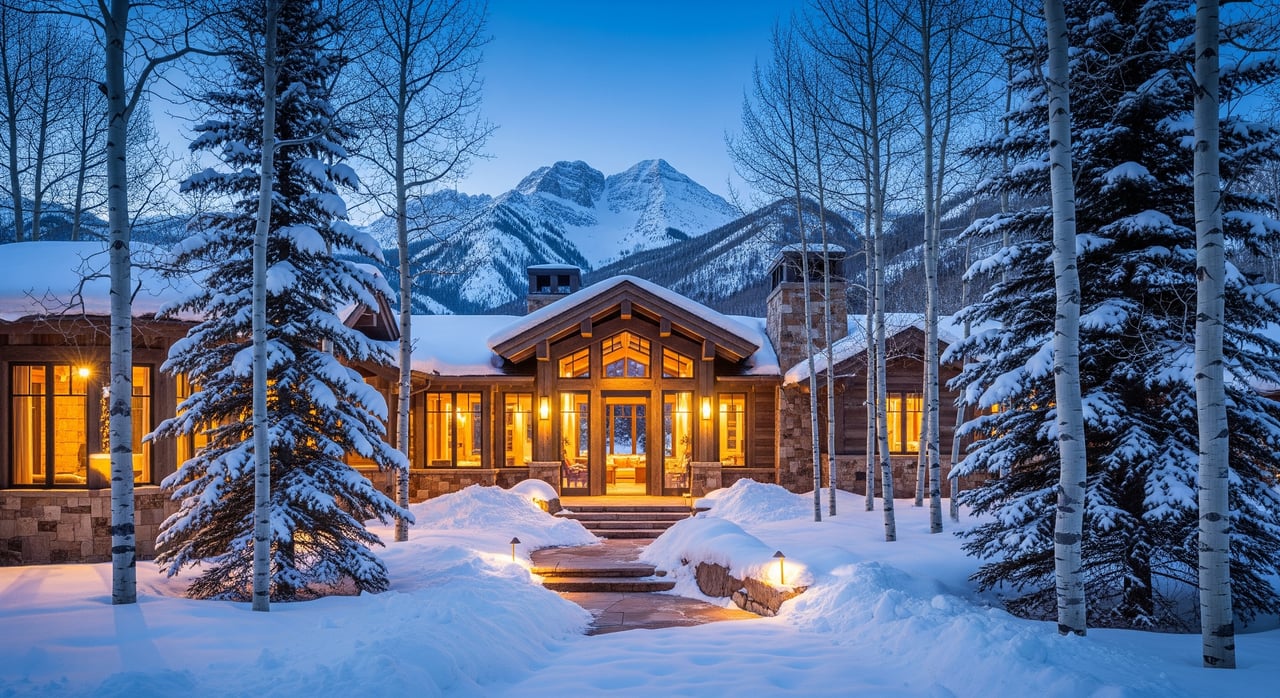
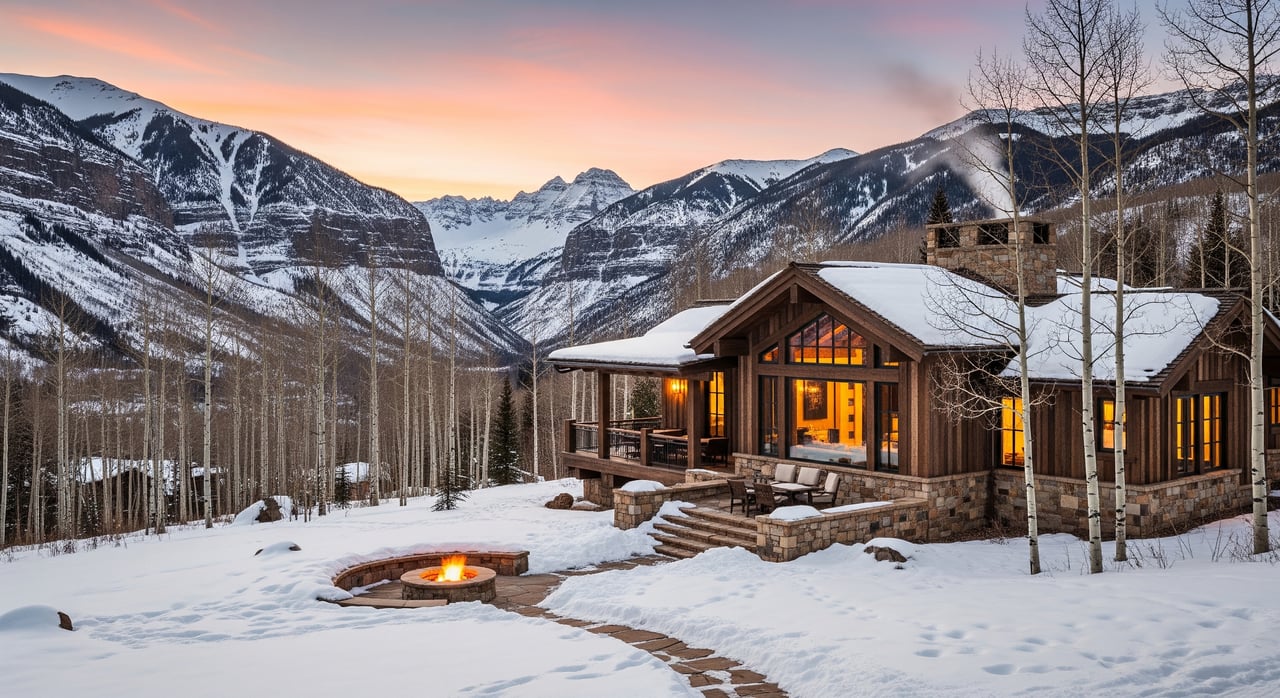
Ski Ranches is a residential neighborhood in San Miguel County within the 81435 postal area. It sits outside the municipal boundaries of the Town of Telluride and Mountain Village, so many properties fall under San Miguel County jurisdiction. The setting is classic mountain-forest with mature aspens, spruce and fir. The result is a quiet, natural feel that appeals to buyers who want privacy close to the Telluride experience.
Lifestyle in the trees
You come to Ski Ranches for space and nature. Lots are heavily treed and many homes are sited for privacy and sun while preserving mature vegetation. There is no centralized commercial core inside the neighborhood, and walking to downtown Telluride is generally not practical from most properties. You reach restaurants, grocery, medical services, and the resort base by a short drive, which keeps everyday life simple while preserving the forested setting at home.
Architecture and lot character
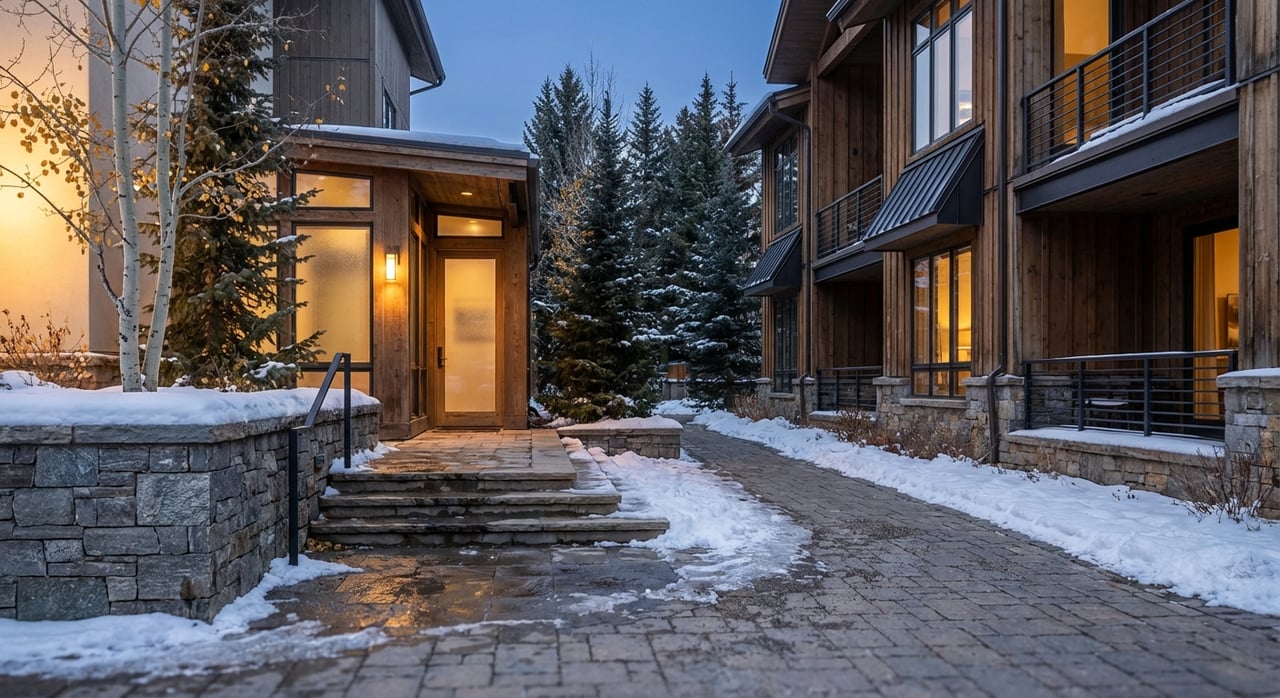
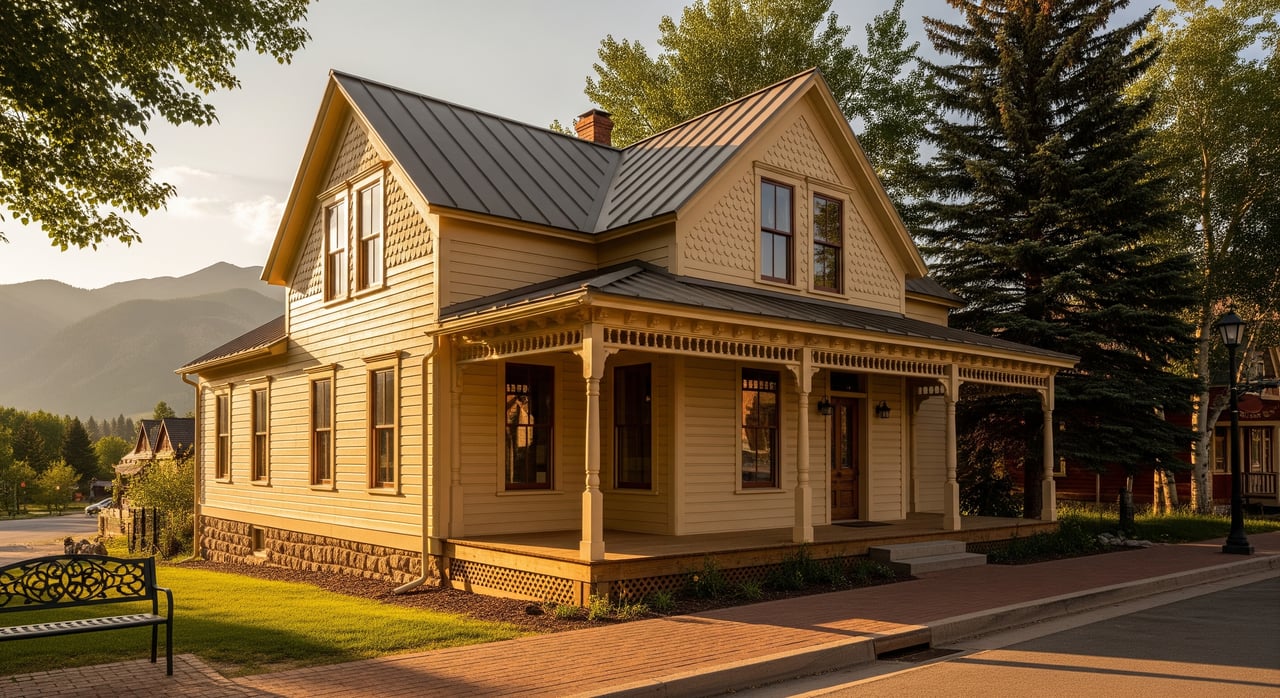
Expect an eclectic mix of homes. You will see rustic log and timber-frame cottages, late 20th century mountain contemporaries, renovated cabins, and newer mountain-modern designs. There is no single dominant aesthetic across the neighborhood. Because lots are irregular and wooded, thoughtful siting and solar orientation matter, and many properties prioritize privacy over uniform streetscapes.
Ski Ranches vs Mountain Village
Both areas share access to Telluride Ski Resort, but the day-to-day feel differs.
- Mountain Village is master planned with a resort core, gondola access, formal parks and trails, and shuttle services. It often carries higher association fees and stricter architectural standards.
- Ski Ranches offers wooded privacy and larger, more natural lots with fewer centralized amenities. Association fees and community services vary by subdivision. Single-family home prices can be lower than comparable Mountain Village properties, but values depend on lot size, views, and improvements.
Ski Ranches vs Elk Run
Elk Run and similar enclaves share the focus on larger lots and privacy. The choice often comes down to terrain, exposure, and convenience. Ski Ranches leans into tree cover and a more intimate forest feel. Elk Run may offer more open exposures and view corridors in some locations, with differences in road access and distance to the gondola and town. Your priorities for views, trees, and drive time usually guide the decision.
Practical buyer considerations
Jurisdiction and zoning
Most Ski Ranches properties fall under San Miguel County land-use rules. Confirm zoning, allowable uses, lot coverage, and building envelopes with county planning and building officials. If a parcel lies near a municipal boundary, verify whether town or Mountain Village rules apply before you write an offer.
Utilities and services
Many homes rely on private wells and septic systems. Confirm well permits, water rights, system capacity, and any required water quality testing. Review septic design, permits, and inspection records. Electricity is available through local providers, though service type and upgrades vary by lot. Internet and cell coverage are location dependent, so check providers and speeds for the specific address, especially if you work remotely.
Road access and winter maintenance
Roads may be county maintained or private. Private roads are often managed by homeowners associations or road districts, which handle snow removal and upkeep. Ask for snow plow contracts and winter access standards for the specific road serving the property. During heavy snow, all-wheel-drive or 4WD vehicles and chains may be advised.
HOA structure and covenants
HOA involvement varies widely. Some subdivisions have active associations that manage private roads, common trails, water systems, covenant enforcement, and architectural review. Others are minimal with voluntary dues. Always request current Covenants, Conditions and Restrictions, budgets, meeting minutes, and any reserve studies so you understand obligations and oversight.
Wildfire risk and mitigation
Heavily wooded lots carry wildfire risk. You should plan for defensible space, ember-resistant construction, and ongoing fuel reduction. Ask for any existing mitigation documentation and review local guidance or requirements. Insurance carriers may also require proof of mitigation for coverage.
Environmental and water-rights
Check for conservation easements, wetlands, or trail easements that affect use. If water is shared or tied to ditches, confirm rights and any assessments. These details shape how you can improve the property and what you will spend to maintain it.
Title, access, and insurance
Verify legal access to public roads and confirm driveway easements and maintenance agreements. In mountain settings, insurance costs can be higher due to snow load and wildfire factors. Obtain quotes during due diligence so you can plan with accuracy.
Remodel and new construction
Building on steep or treed sites can require specialized foundations, retaining walls, geotechnical reports, and tree removal permits. Utilities, driveway construction, and grading can cost more than in flatter resort cores. If you plan to build or renovate, fold these site-driven costs into your budget early.
Buyer due diligence checklist
Use this list to organize requests during escrow:
- Current HOA documents, budgets, CCRs, meeting minutes, and any reserve studies
- Utility maps, well logs, water rights documentation, and septic permits or inspection reports
- Road maintenance agreements and snow removal contracts for private roads
- Preliminary title report with all easements and restrictions
- Recent home inspection and any geotechnical or engineering reports
- Wildfire mitigation documentation and related inspections or requirements
- County permit history for additions or accessory structures
Is Ski Ranches right for you
Choose Ski Ranches if you want a private, wooded setting with a short drive to Telluride’s services and the ski area. The neighborhood suits year-round residents and second-home owners who value trail access, quiet, and a more natural lot feel over a resort core. If you prefer a master-planned village with shops and gondola at your door, Mountain Village may fit better. If you want larger, more open exposures and different view dynamics, compare Elk Run and similar enclaves. The right match comes down to how you rank privacy, trees, views, and convenience.
Work with a trusted advisor
Buying in 81435 means limited inventory and site-specific nuances that matter. You deserve clarity on jurisdiction, utilities, winter access, and HOA structure before you commit. For tailored guidance and access to fresh opportunities, reach out to The Agency Telluride for a private consultation.
FAQs
What makes Ski Ranches different from Mountain Village
- Ski Ranches emphasizes wooded privacy and larger lots, while Mountain Village offers a master-planned resort core, gondola access, and broader on-site amenities.
What utilities are typical for Ski Ranches homes
- Many properties use private wells and septic systems, so you should confirm well permits, water rights, septic design, and inspection records during due diligence.
How is winter road access managed in Ski Ranches
- Roads can be county maintained or private, with private routes often managed by HOAs or road districts; confirm snow removal contracts and year-round access standards for your specific address.
Are there HOAs in Ski Ranches and what do they cover
- HOA structure varies widely, from active associations handling private roads and covenant enforcement to minimal or voluntary groups; always request current documents and budgets.
What should I review before building or remodeling in Ski Ranches
- Verify county zoning, building envelopes, and covenants; budget for site-specific needs like geotechnical reports, driveway construction, and potential tree removal or mitigation.