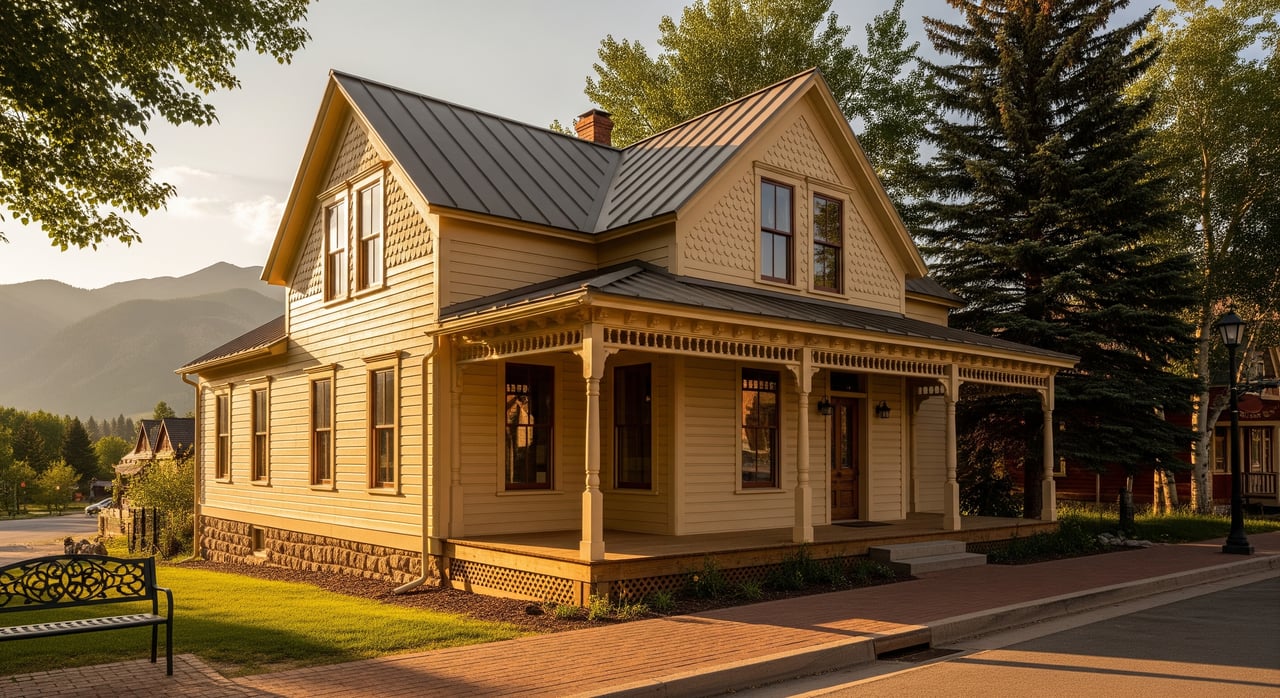
Eyeing a historic home in Telluride’s 81435 zip code and wondering what it takes to make updates the right way? You are not alone. Buying in the town’s cherished historic core comes with unique rules, review boards, and mountain logistics that affect cost and timing. In this guide, you will learn who sets the rules, what needs approval, how the permit steps flow, and how to plan a realistic timeline in the box canyon. Let’s dive in.
Who sets Telluride’s preservation rules
In Telluride, exterior changes to historic properties are reviewed by the Town’s planning and building staff and a local Historic Preservation Commission. For authoritative guidance and current processes, start with the Town of Telluride Planning and Building.
State and federal organizations provide additional standards and resources. The Secretary of the Interior’s Standards for Rehabilitation are the national benchmark for appropriate treatment of historic properties. Colorado’s state office, History Colorado’s State Historic Preservation Office, offers technical guidance and information on potential incentives.
A quick note on incentives: Federal historic tax credits typically apply to certified rehabilitations of income-producing buildings, not owner-occupied residences. State or local programs may exist, but you should verify eligibility early.
What work needs approval
Local historic review usually focuses on exterior features visible from public streets and alleys. Common items include rooflines, siding and materials, windows and doors, porches, trim, additions, exterior lighting, fencing, and visible mechanical equipment. Some paint colors may be reviewed depending on local guidelines.
Interior work is typically not regulated by historic preservation ordinances unless it ties to structural or exterior changes that affect the building envelope. Demolition of historic structures often faces higher scrutiny and longer timelines.
Solar can be allowed but may need to be sited to reduce visibility from primary public views. Always confirm early with Town staff or the Historic Preservation Commission.
Permits and review: step by step
- Step 0 — Pre-purchase investigation
- Confirm whether the property is inside a local or national historic district or individually designated.
- Request the property’s permit history and any preservation easements or restrictions.
- Order a preservation-minded home inspection and structural assessment; consider a preservation architect for early feedback.
- Check utility connections, setbacks, and any limits on site access or staging.
- Step 1 — Concept and design
- Hire design pros with historic experience.
- Prepare concept drawings and photos showing how your work respects historic character.
- Schedule a pre-application conversation with Town planning/HPC staff.
- Step 2 — Historic review and approvals
- Submit required materials for a Certificate of Appropriateness or equivalent, including photos, elevations, materials, and a narrative on how you meet local and national standards.
- Minor work may be approved administratively. Major changes or any demolition typically require a public hearing.
- Step 3 — Building permit and plan check
- After design approval, submit construction documents for building code and structural review.
- Expect separate permits for electrical, plumbing, mechanical, grading, right-of-way or street closure, and crane/heavy lift. Oversized deliveries may also involve the Colorado Department of Transportation.
- Step 4 — Construction
- Build to the approved plans. Inspections occur at key stages.
- Any exterior or envelope changes during construction usually require a formal modification and updated approvals.
- Step 5 — Closeout
- Complete final inspections and obtain certificate of occupancy or final sign-off.
- Some projects require photographic documentation for the historic record.
Realistic timelines in Telluride
Use these planning ranges to set expectations. Actual timing depends on Town schedules, submittal completeness, project complexity, and season.
- Pre-purchase due diligence: 2 to 6 weeks
- Design and HPC review
- Minor administrative approvals: 2 to 6 weeks
- Major additions or public hearings: 6 to 16 weeks
- Demolition reviews: 8 to 20 weeks or more
- Building permit plan check
- Small exterior repairs: 2 to 6 weeks
- Full plan review for structural/mechanical work: 4 to 12 weeks
- Contractor procurement and lead times
- General contractor scheduling: 3 to 12 months in a resort market
- Custom historic windows, doors, millwork: 8 to 20 weeks
- Construction durations
- Exterior repainting or minor repairs: 2 to 8 weeks
- Window restoration or replacement for a small home: 6 to 16 weeks
- Additions or significant exterior alterations: 4 to 12+ months
- Full historic rehabilitation: 6 to 24 months or longer
Seasonality and box-canyon logistics
Telluride’s location and climate add unique variables to your plan.
- Short construction season. Most exterior work is feasible from late spring through early fall. Winter weather limits exterior activity and can extend timelines.
- Highway and weather closures. Mountain passes and Highway 145 can close or restrict during storms, affecting deliveries and crew access. Check schedules and alerts with the Colorado Department of Transportation.
- Event and visitor impacts. Peak festival and ski seasons can make crew lodging scarce and increase costs.
- Site access and staging. Narrow streets, steep lots, and limited parking may require staging plans, temporary right-of-way use permits, street closures, and traffic control.
- Waste and haul-off. Debris removal out of the canyon can be more costly and time restricted.
- Hazards and insurance. Review floodplain and other hazard overlays; the FEMA Flood Map Service Center is a good starting point.
Buyer due diligence checklist
Before making an offer
- Confirm the property’s historic status and whether it sits in a local district or is individually designated.
- Request permit history and documentation for prior exterior changes and approvals.
- Order a preservation-minded inspection and structural review; consider specialists for windows, siding, and masonry.
- Consult a preservation architect or a local architect experienced with Telluride guidelines to discuss likely outcomes and costs.
- Review easements, covenants, or deed restrictions.
- Assess utility capacity if you plan an addition or increased occupancy.
During the inspection period
- Verify which elements of your plan will require historic review.
- Obtain a written estimate from a local contractor that includes staging, right-of-way needs, crane or heavy lift, and an anticipated start date.
- Test for lead paint and asbestos and get abatement estimates if needed.
Before closing
- Schedule a pre-application meeting with Town staff and bring schematic plans.
- Map permits, approvals, and realistic timing; build in a facilitation period before construction.
- Consider contract contingencies tied to receiving required approvals.
After closing
- Hire your contractor and align the schedule with the local construction season.
- Assemble a complete submittal package for historic and building review.
- Plan for inspections and possible conditions such as material requirements or feature preservation.
- Maintain a contingency budget of at least 10 to 25 percent to address unknowns.
Budgeting and risk management
Historic homes reward careful planning. To keep surprises in check:
- Start early. Work backward from your desired completion date to include design, Town review, contractor scheduling, and seasonal windows.
- Get the right expertise. A preservation-aware architect and proven local contractor reduce redesigns and delays.
- Budget conservatively. Expect premiums for historic-appropriate materials, skilled trades, staging or right-of-way permits, and shipping into the canyon.
- Plan for adjustments. Hidden conditions, hazardous materials, or structural repairs can add scope and time.
Your next step
If you are considering a historic home purchase in Telluride’s 81435 zip code, early guidance pays off. For neighborhood-level insights, recent comps, and introductions to preservation architects and contractors who know the local process, connect with The Agency Telluride. Request a private consultation and move forward with confidence.
FAQs
Telluride window replacement in historic homes
- Window replacement is often allowed but usually requires historic review; repair is preferred, and any new units should match historic appearance and profiles per local guidelines and national standards.
Solar on historic homes in Telluride
- Solar is frequently allowed but may need to be placed to reduce visibility from primary public views; confirm siting with Town staff and the Historic Preservation Commission early.
How long do Telluride approvals take for exterior work
- Minor administrative approvals can take a few weeks, while major additions or demolition reviews can take several months; add time for building permits, contractor scheduling, and seasonal constraints.
Are there incentives for rehabilitating a Telluride historic house
- Federal credits generally apply to income-producing buildings, not owner-occupied homes; check with History Colorado’s State Historic Preservation Office and the Town for any current state or local programs.
Do interior renovations require review in Telluride
- Interior work is typically not reviewed by historic preservation unless it affects the exterior or structure; building code review still applies for permits and inspections.