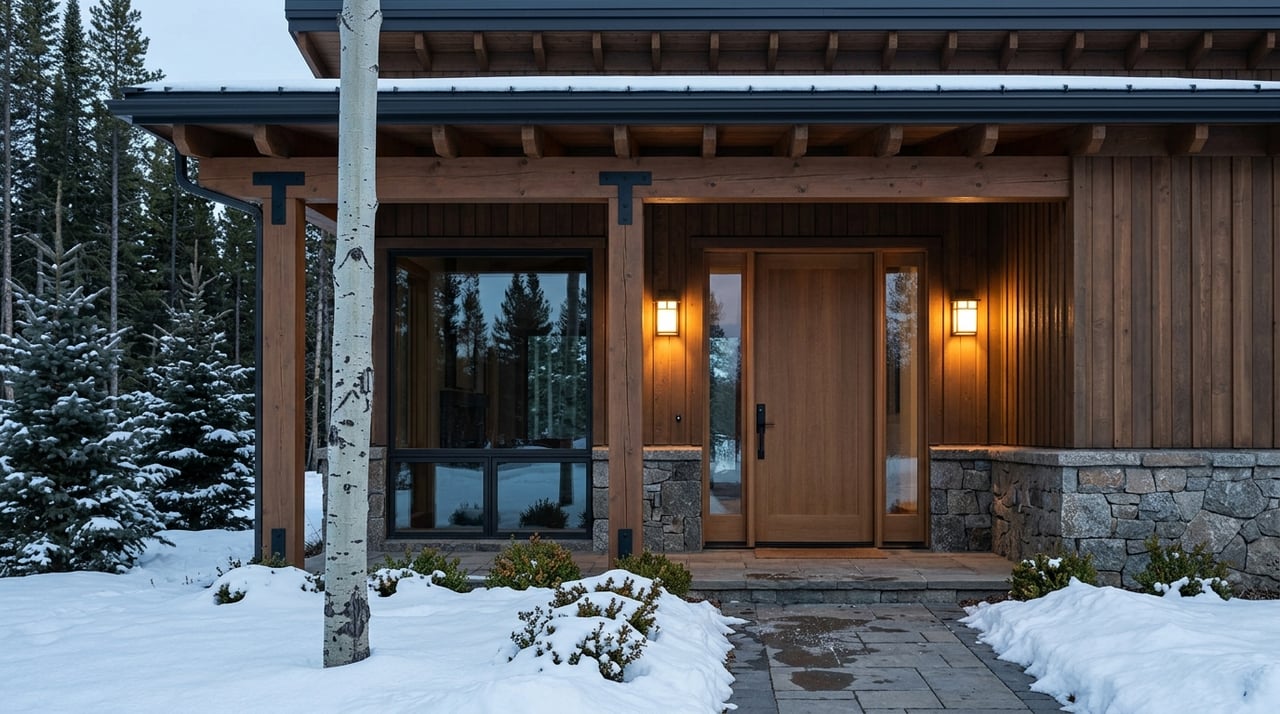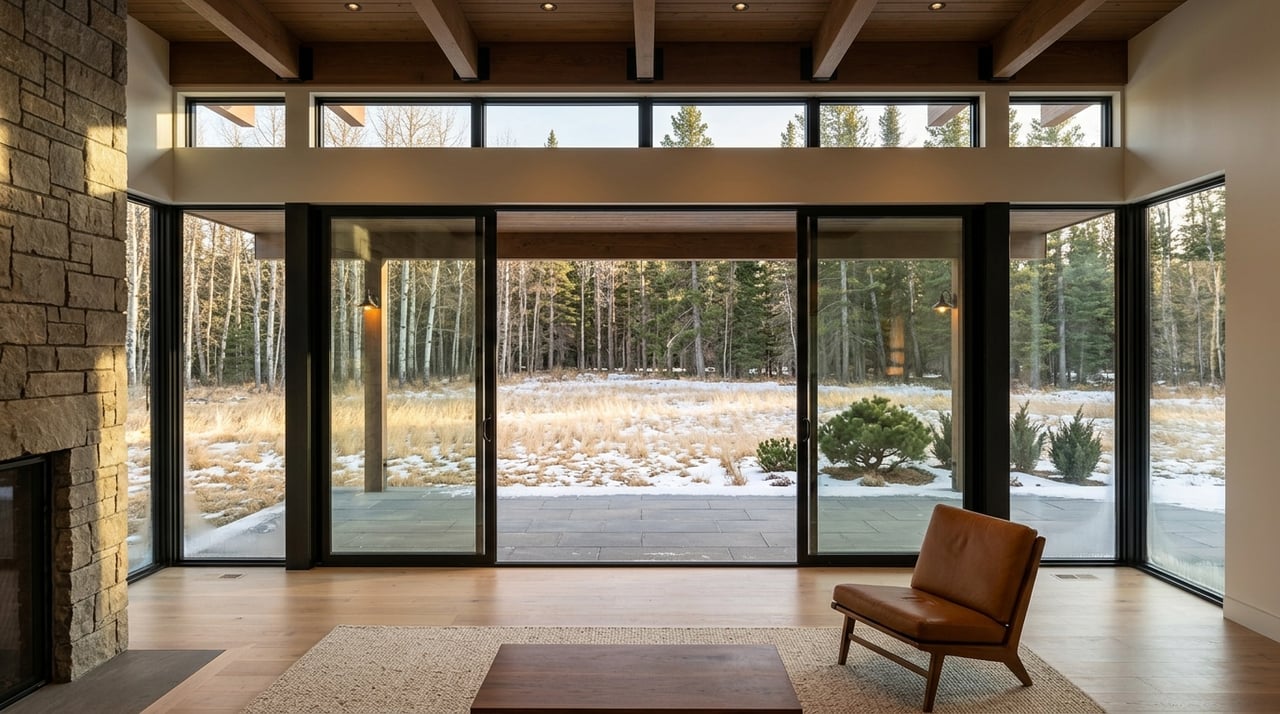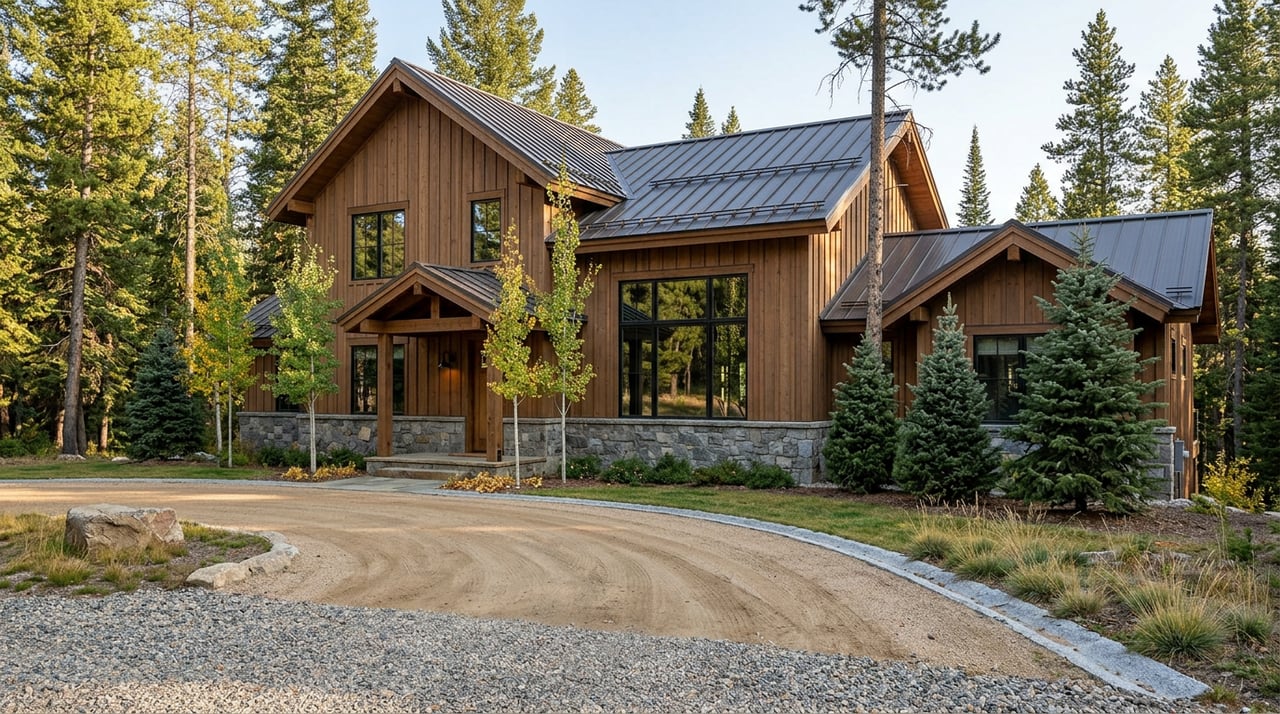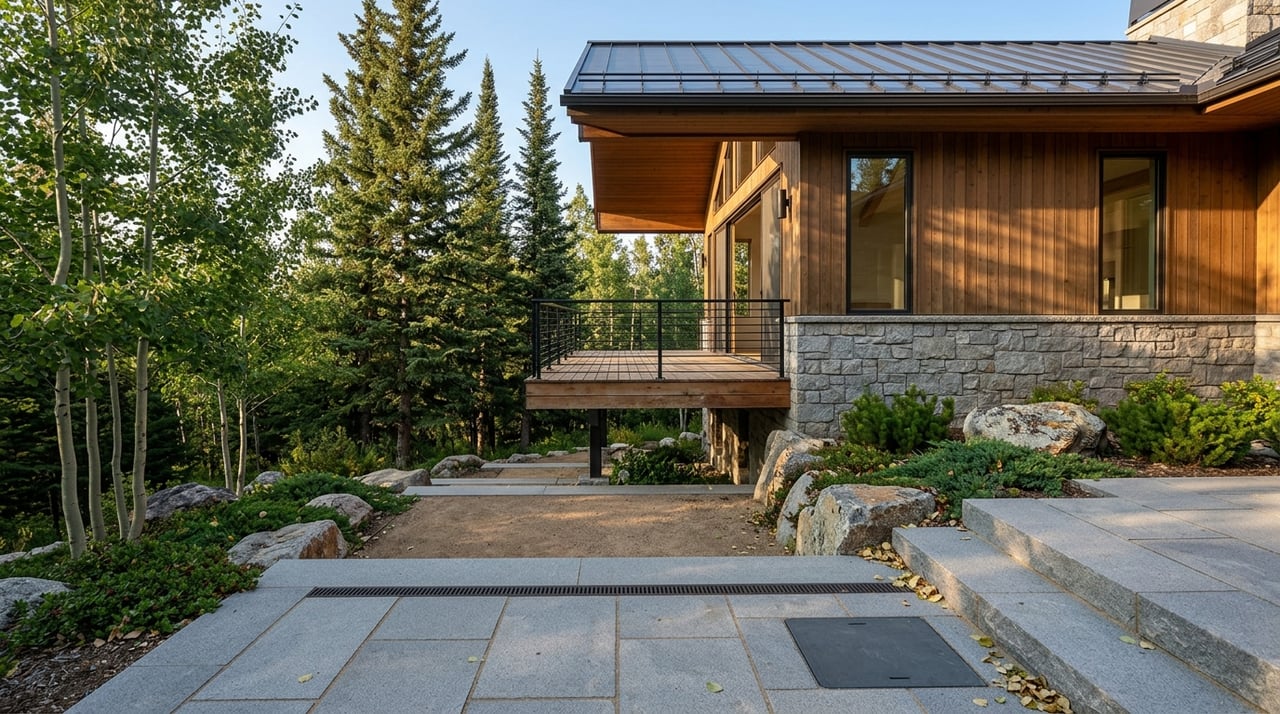
If you are thinking about building a custom home in The Preserve near Telluride, you are probably looking for something rare: privacy, dramatic mountain views, and quick access to Mountain Village without sacrificing a true estate setting. That combination is exactly what draws buyers to this enclave, but building here also comes with important site, design, and permitting considerations. With the right planning, you can approach the process with more clarity and fewer surprises. Let’s dive in.
Why The Preserve Stands Out
The Preserve is located on the west side of Highway 145 across from Raspberry Patch on Turkey Creek Mesa, just south of Mountain Village. Mountain Village is a 9,545-foot resort town connected to Telluride by the free gondola, and the town notes that Telluride Regional Airport is less than five miles away. For many buyers, that means you can enjoy a private homesite while staying closely connected to skiing, dining, and daily conveniences.
The neighborhood is widely described as a very low-density enclave with about 12 lots averaging roughly 13 acres. Many homesites are oriented toward views of Sunshine Peak and Wilson Peak, which helps explain why this area continues to appeal to buyers looking for space and scenery in equal measure. At the same time, lot size can vary from parcel to parcel, so it is important to evaluate each property on its own merits rather than relying on neighborhood averages alone.
A recent Mountain Village design-review packet for a Preserve parcel at 8121 Preserve Drive shows a lot size of 5.673 acres. That same packet lists the site at 9,338.8 feet in elevation, in climate zone 6B, with a 130-psf ground snow load and 90 mph wind speed. Those details are a practical reminder that building here is not just about selecting a beautiful piece of land. It is also about planning for a true mountain environment.
What Building Here Really Means
A homesite in The Preserve offers room, privacy, and a strong sense of retreat. It also requires thoughtful site planning from the beginning. In Mountain Village, the design code emphasizes that homes should fit the terrain rather than force the terrain to fit the home, which can shape everything from placement and driveway design to grading and roof form.
In practical terms, that means your vision for the home should be tested early against the actual land. Existing vegetation, natural contours, runoff, snow storage, solar exposure, shade, and view corridors can all influence what works best on a specific lot. This is one reason why a promising parcel on paper can feel very different once design and permitting begin.
The code also expects grading to blend into the surrounding landscape and requires planning for snow shed and snow storage on roofs, walkways, and driveways. In a place like The Preserve, these details are not minor. They are part of creating a home that functions well across all seasons while respecting the site.
What To Verify Before Buying Land
Before you move too far into design, it is smart to confirm the physical and regulatory basics of the parcel. A land purchase here is not only about acreage and views. It is also about how the site can actually support the home you want to build.
Check the building envelope
Mountain Village code allows review authorities to require a building envelope to protect open space, steep slopes, wetlands, common areas, and similar site features. That can directly affect where the home sits, where a garage can go, and how much usable outdoor space you can create. If you are envisioning guest quarters, large patios, or a specific arrival sequence, the envelope matters early.
Review easements and access
Access and easement constraints can change how a lot functions. Driveway alignment, utility routing, and site circulation often become key design-review topics, so you will want a clear understanding of how the parcel is legally and practically accessed. This step can help you avoid expensive redesigns later.
Confirm utility planning
Utilities are a major diligence item in Mountain Village. According to the town code, utilities, plumbing, and supply lines should be underground or otherwise screened, and water, sewer, and cable routing must be approved by Public Works. The code also states that electric, gas, and telephone service must be coordinated with the relevant providers, and service-line extension costs from the main transmission line are generally the responsibility of the owner or developer.
The town’s planning resources also advise applicants to consult Public Works, San Miguel Power Association, and Source Gas before submitting a development application so utility availability can be documented. For you as a buyer, this makes utility verification one of the most important steps before closing on land.
Study snow, wind, and site exposure
Mountain conditions are part of daily life at this elevation. Snow load, wind exposure, and winter access should all be part of your early review, especially if you are considering a large roofline, expansive glazing, or a long driveway. A parcel may be stunning in summer, but year-round livability depends on how it performs in winter as well.
Understanding the Design Review Process
For new single-family homes, Mountain Village treats the project as a Class 3 design review. According to the town’s planning resources, the process begins with a pre-submittal meeting, followed by application submittal, a completeness check, referral and review, plan revisions, public notice, staff reports as needed, and then two Design Review Board hearings before final action.
That may sound detailed, because it is. The review process is where important project issues are addressed, including driveway alignment, utility routing, grading, roof forms, snow management, landscape preservation, and view relationships. In other words, when you buy land in The Preserve, you are also stepping into a regulatory path that will shape the final home.
The town notes that a design-review decision is generally valid for 18 months unless vesting extends it. That timeline matters if you are coordinating consultants, construction schedules, or an out-of-market second-home timeline.
How Permitting Works Today
Mountain Village now uses OpenGov for permits and planning applications, including design reviews, fee payments, inspection scheduling, and contractor registration. Applicants need an OpenGov account, and contractors must register before submitting new permit applications.
For buyers, the key takeaway is that the process is digital, staged, and organized across multiple steps rather than handled all at once. This makes early coordination with your team even more important. A well-prepared process usually creates a smoother one.
The Preserve Compared With Nearby Options
If you are still deciding where to build near Telluride, it helps to understand how The Preserve compares with nearby neighborhoods that also appeal to custom-home buyers.
The Preserve
The Preserve is best understood as a low-density enclave with very strong privacy and quick resort access. Based on the source material, it offers one of the most compelling balances of seclusion and convenience among the area’s estate neighborhoods. If your goal is a large homesite without feeling too far removed from Mountain Village, this location stands out.
Raspberry Patch
Raspberry Patch is also highly exclusive and very small, located nearby south of Elk Run. Source descriptions are not fully consistent on exact lot configuration, so buyers should verify the recorded plat and legal lot count before relying on any specific number. Still, the available information suggests an even more secluded setting with a drive to the ski resort of less than 15 minutes.
Elk Run
Elk Run is a larger, more neighborhood-like enclave with 30 lots that are generally 4 to 8 acres each. Brokerage descriptions place it about 10 minutes from the Telluride Ski Resort and about 15 minutes from the Town of Telluride. Compared with The Preserve, it tends to feel more established and less intimate, though still private and view-oriented.
Everyday Convenience Matters Too
Privacy is often the headline feature in The Preserve, but day-to-day convenience also plays a big role in long-term enjoyment. Mountain Village highlights the free gondola, the Market on the Plaza in Heritage Plaza, and the Village Market as a full-service grocery. For a second-home owner or full-time resident, those amenities can make the location feel much more connected than a simple map might suggest.
That matters if you want a homesite that feels tucked away without feeling isolated. In many mountain markets, privacy and convenience can pull in opposite directions. The Preserve is appealing in part because it brings both into closer alignment.
A Smart Approach to Building in The Preserve
If you are seriously considering a custom home here, start with diligence before design. Confirm lot geometry, access, easements, utility availability, and any defined building envelope before you become attached to a specific floor plan. Then evaluate how your goals for views, privacy, outdoor living, and winter functionality fit the site itself.
From there, it helps to think of the process as both creative and technical. You are choosing a landscape, a regulatory path, and a long-term lifestyle all at once. With the right guidance, that can lead to an exceptional result.
If you are exploring land or estate opportunities near Mountain Village and Telluride, The Agency Telluride can help you evaluate location, parcel constraints, and the broader market context with a more strategic lens.
FAQs
What is The Preserve near Telluride known for?
- The Preserve is known as a very low-density enclave near Mountain Village with large homesites, strong privacy, and views that often include Sunshine Peak and Wilson Peak.
What should you verify before buying land in The Preserve?
- You should verify lot geometry, building envelope limitations, easements, driveway and access constraints, utility routing and availability, and mountain-site factors like snow, wind, and runoff.
What is the custom home review process in Mountain Village?
- New single-family homes go through a Class 3 design review that includes a pre-submittal meeting, application review, revisions, public notice, and two Design Review Board hearings before final action.
Why do utilities matter when building in The Preserve?
- Utilities matter because routing must be approved, service coordination is required with providers, and extension costs from the main transmission line are generally the owner’s or developer’s responsibility.
How does The Preserve compare with Elk Run and Raspberry Patch?
- Based on the source material, The Preserve offers one of the strongest balances of privacy and resort proximity, while Raspberry Patch appears more secluded and Elk Run feels more established and neighborhood-like.
What makes The Preserve practical for second-home living?
- Its proximity to Mountain Village amenities, including the free gondola, Heritage Plaza offerings, and the Village Market, can make everyday living easier while preserving a private estate feel.