If you are thinking about building at Gray Head, you are not just planning a house. You are shaping a property that may hold value, memories, and meaning for years to come. In a setting defined by land, views, privacy, and public-land adjacency, the smartest decisions often happen long before construction begins. Let’s look at what makes Gray Head such a compelling legacy-estate setting, and what you should plan for as you design with the long view in mind.
Why Gray Head Feels Different
Gray Head is publicly described as an 885-acre development at the base of Mt. Sneffels Wilderness, about 8 miles from Telluride, with 35-acre parcels and a limited number of homesites. Public materials also describe it as a 24-lot community, with land that is adjacent to or nearly surrounded by National Forest. That combination creates a very different ownership experience from a typical neighborhood.
Here, scale matters. A large parcel gives you room to think beyond a basic floor plan and focus on how the estate will live over time, from privacy and views to access, stewardship, and future use. If you are building for multiple generations, Gray Head naturally supports that long-horizon mindset.
What Makes a Legacy Estate
A legacy estate is not simply a large custom home. It is a property planned to age well, function well, and remain relevant through changing family needs and seasons of use.
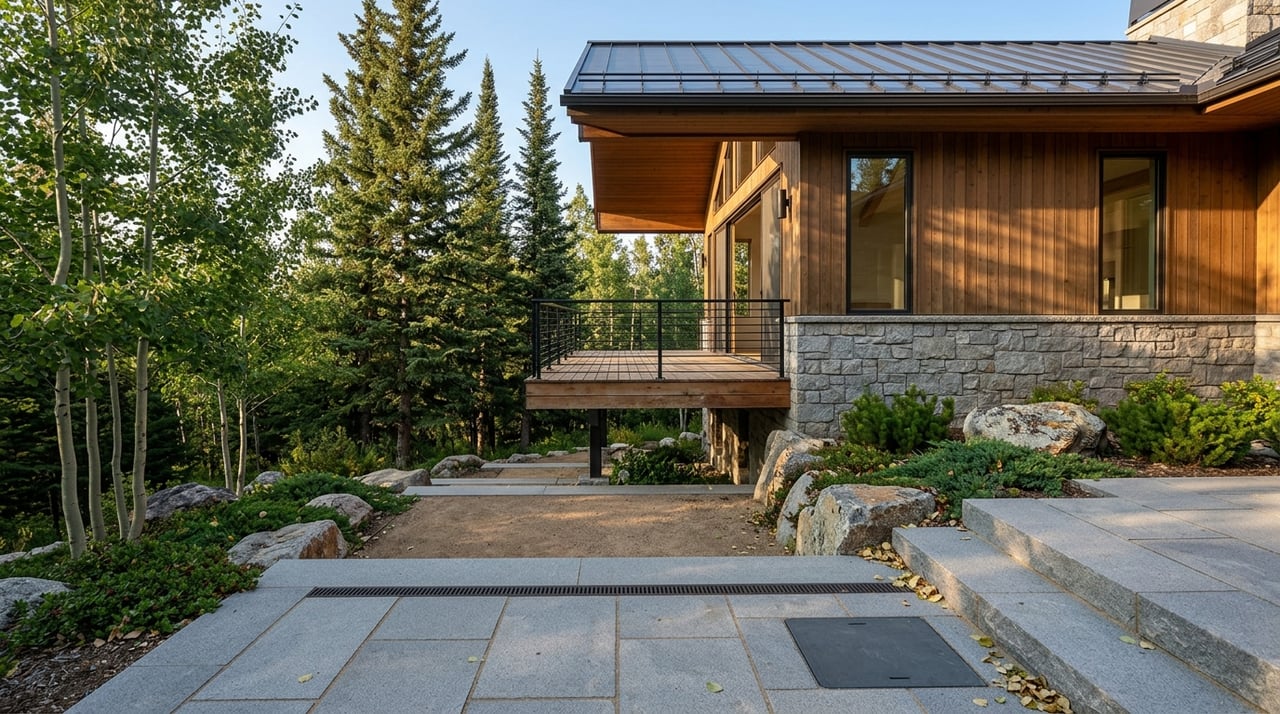
At Gray Head, that usually starts with the land itself. Because homesites are known for seclusion, view orientation, and a preserved mountain setting, the best design approach often begins with the site rather than the square footage target.
Start With the Parcel
Public neighborhood descriptions indicate that homesites were selected to capture Wilson Range views while preserving privacy and seclusion. That means your parcel is not just a backdrop. It is one of the main design drivers.
Before you think about finishes, it helps to think about questions like these:
- Where does the strongest view corridor sit?
- How will the home meet the terrain?
- Where can arrival feel private and natural?
- How will outdoor spaces function in different seasons?
- What parts of the lot should remain undisturbed?
In a place like Gray Head, siting can shape the daily experience as much as the architecture itself.
Design for All Seasons
Gray Head ownership is tied to the outdoors in a real way. According to the Gray Head POA, residents have access to a historic homeowners cabin, hiking trails, an outdoor winter ice rink, fly fishing, and tennis.
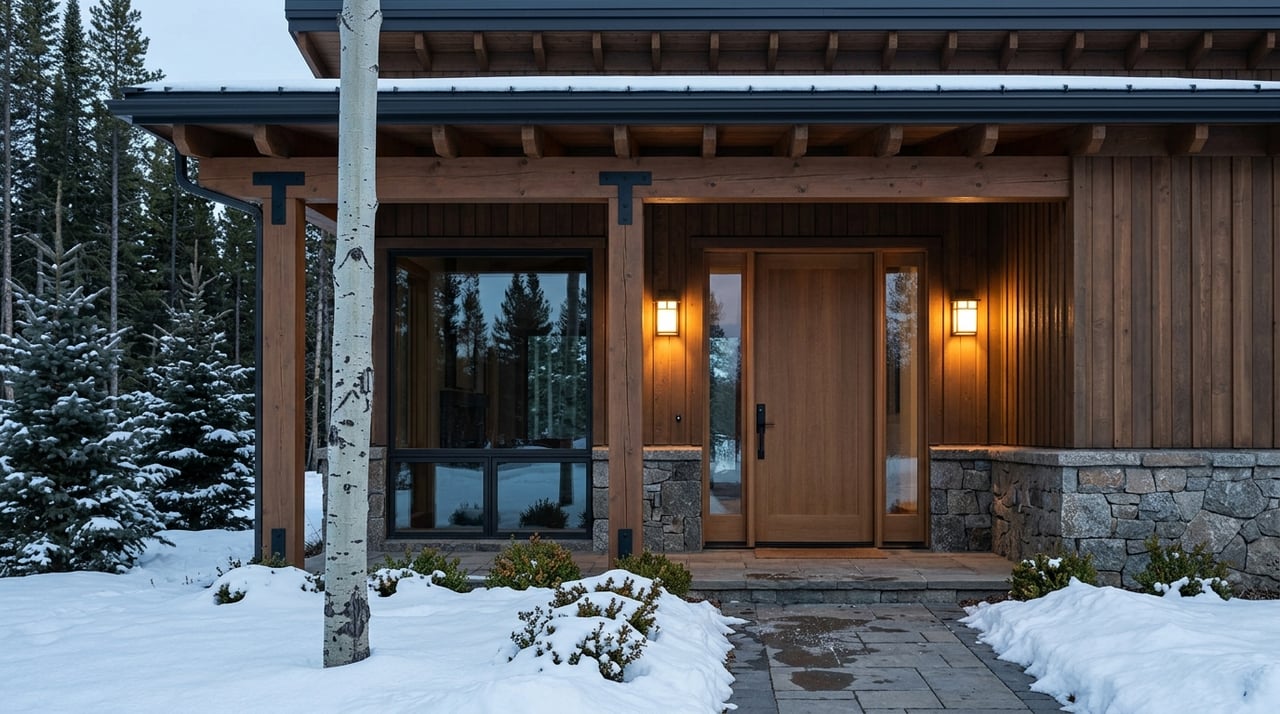
That matters because a legacy estate here should be designed for year-round use. Your plan may benefit from mudroom flow, generous gear storage, protected outdoor gathering spaces, and an arrival sequence that works just as well in snow season as it does in summer.
Stewardship Is Part of Ownership
One of the clearest signals about Gray Head is that it is not only about privacy. It is also about shared stewardship. The POA site notes that the neighborhood caretaker handles road and trail maintenance, snow removal, and cabin reservations.
That kind of support adds convenience, but it also sets expectations. Ownership here includes participating in a landscape and community that is meant to be maintained carefully over time.
Think Beyond the Build
When you design a Gray Head estate, it helps to think beyond construction and ask how the property will be cared for over the next 10, 20, or 30 years. A strong plan often considers:
- Exterior materials that suit mountain conditions
- Landscape choices that support long-term maintenance goals
- Driveway and access planning for all-season use
- Wildfire resilience and defensible-space strategies
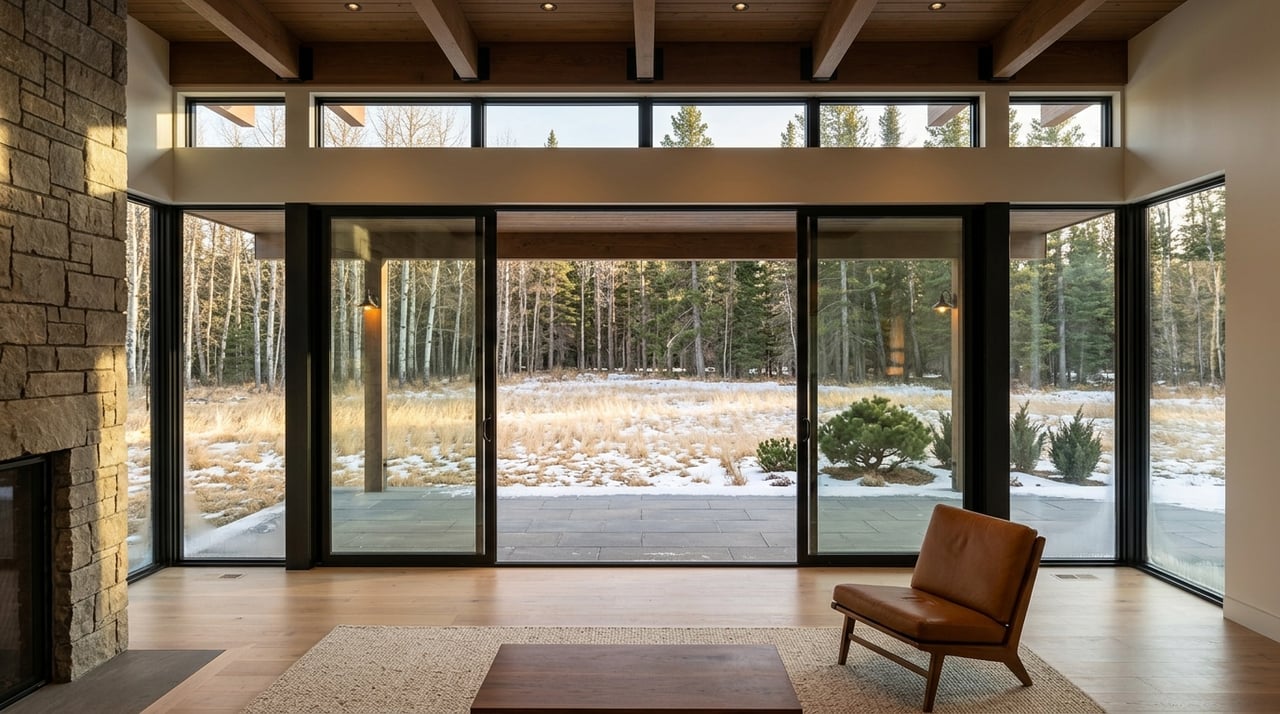
- Easy transitions between indoor and outdoor living areas
A home can feel timeless, but it still needs practical systems behind that timelessness.
Gray Head Design Review Matters
If you are considering a build here, community review is an important early step. The Gray Head POA directs owners to contact the community for questions about architectural design and process.
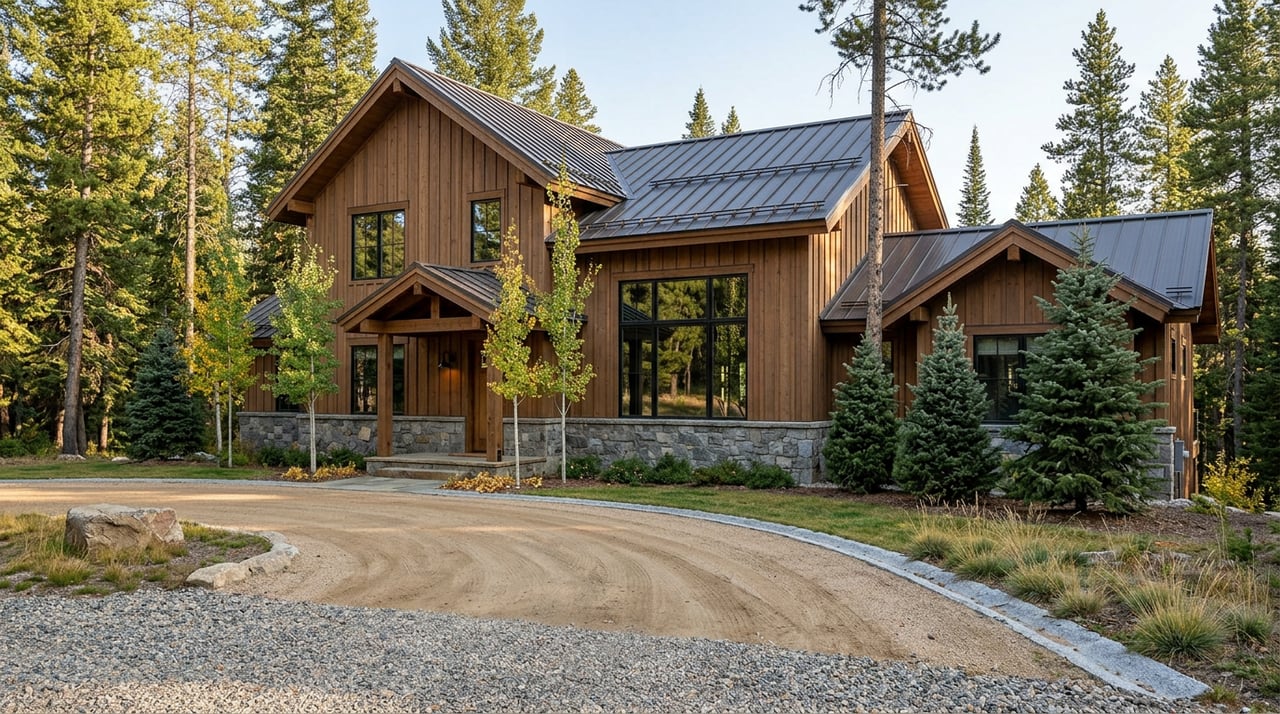
In practical terms, that means your design team should understand early that site planning, massing, and placement are likely central to the conversation. At Gray Head, the strongest homes are usually the ones that respond carefully to the land rather than competing with it.
Why Early Coordination Helps
A custom estate project can become more efficient when the architect, builder, survey professionals, and ownership team are aligned from the beginning. Early coordination can help you avoid redesigns tied to site access, grading, utility placement, septic constraints, or community review.
That is especially important in San Miguel County, where a complete submission is required before plan review begins. Starting with a clear roadmap can save meaningful time later.
County Permitting Takes Planning
San Miguel County outlines a detailed residential review process, and Gray Head projects should be approached with that complexity in mind. According to the county’s residential building application submittal requirements, permit packages may include scaled site plans, floor plans, elevations, sections, foundation plans, geotechnical information, energy documentation, Manual J/S/D calculations, a construction contract or owner budget, HOA approval, and proof of well permit or tap approval.
The site plan itself must also show a wide range of details, including property lines, easements, grading, utility lines, septic and well locations, water courses, driveway access, fire turnarounds, propane or gas tank locations, and retaining walls over 4 feet. For many buyers, this is the point where the estate vision becomes a true project timeline.
Key County Requirements to Know
A few county requirements stand out for Gray Head owners:
- Residential development often starts with Planning
- Septic work follows its own OWTS process
- Permit efforts can proceed concurrently
- HOA written approval is required if applicable
- Driveways 150 feet or longer require fire department approval
- Engineered foundations are required for new one- and two-family dwellings
These are not minor details. They can affect both design and timeline from the start.
Expect a Longer Preconstruction Timeline
Luxury buyers often focus on architecture first, but in Gray Head the preconstruction phase deserves equal attention. San Miguel County notes that a complete residential permit packet can take up to 8 weeks for review and issuance, and OWTS permitting requires soil evaluation, stamped plans, independent engineer review, and final environmental health review, as outlined by the county’s building and permitting guidance.
Once you add survey work, site planning, community review, septic planning, fire-access coordination, and permit preparation, the process becomes a multi-step effort. If your goal is a thoughtful legacy estate, patience during this stage is usually an advantage, not a setback.
What a Realistic Early Timeline Includes
While every property is different, the early stages often include:
- Parcel analysis and vision planning
- Survey, site study, and preliminary design
- Community design-review coordination
- Septic and utility planning
- County submittal preparation
- Permit review and revisions
- Construction mobilization
The main takeaway is simple: build extra time into the front end.
Wildfire Resilience Should Be Built In
Long-term estate planning in San Miguel County should also include wildfire resilience. The county’s wildfire mitigation guidance emphasizes home hardening, defensible space, and emergency planning, and it notes that free site visits are available through the West Region Wildfire Council.
For a mountain estate, this is not just a safety issue. It is part of responsible property design and stewardship. The right planning can support both resilience and the long-term usability of the home.
Practical Resilience Priorities
As you evaluate a Gray Head build, consider discussing these points with your team early:
- Building materials and detailing for home hardening
- Defensible-space planning around structures
- Driveway access for emergency response
- Utility and propane placement
- Ongoing vegetation-management needs
These choices work best when they are integrated into the original design rather than added later.
Build With the Land, Not Against It
The most compelling Gray Head estates usually share one trait: they feel rooted in place. They use the parcel well, respect the terrain, preserve privacy, and create a natural relationship between the home and its surroundings.
That approach aligns with the broader stewardship values seen across San Miguel County, where the county’s open-space mission emphasizes protecting and enhancing open space, recreation, natural habitat, agriculture, and scenic beauty for future generations. In that context, a well-designed Gray Head estate is not only a residence. It is a long-term landholding shaped with intention.
The Value of a Thoughtful Advisory Approach
Designing a legacy estate at Gray Head calls for more than inspiration. It calls for market knowledge, disciplined planning, and a clear understanding of how parcel characteristics, community review, and county requirements interact.
If you are considering a purchase, evaluating a homesite, or preparing for a custom build, working with a team that understands Telluride’s luxury landscape can help you make more informed decisions from the start. To request a private consultation, connect with The Agency Telluride.
FAQs
What makes Gray Head in San Miguel County appealing for a legacy estate?
- Gray Head offers large 35-acre parcels within an 885-acre development, limited homesite supply, privacy, mountain views, and public-land adjacency, which all support long-term estate planning.
What amenities are available to Gray Head property owners?
- According to the Gray Head POA, owners have access to a historic homeowners cabin, hiking trails, an outdoor winter ice rink, fly fishing, and tennis.
What approvals are typically needed to build at Gray Head?
- Owners should expect community design-review coordination through Gray Head and county-level permitting through San Miguel County, including HOA approval if applicable.
What does San Miguel County require for a residential building submission?
- The county requires a detailed submission that may include site plans, floor plans, elevations, sections, foundation plans, geotechnical information, energy documents, Manual J/S/D calculations, budget or contract details, HOA approval, and water-supply documentation.
How long can the Gray Head permitting process take in San Miguel County?
- San Miguel County states that a complete residential permit packet can take up to 8 weeks for review and issuance, and related septic and planning steps can extend the overall preconstruction timeline.
Why is wildfire planning important for a Gray Head estate?
- San Miguel County recommends home hardening, defensible space, and emergency planning, which are important parts of long-term mountain property stewardship and resilience.